Introduction: The Moment Everything Gets Complicated
When property damage hits, everything changes fast. One day your home feels secure. The next, you’re juggling inspections, paperwork, and conversations with your insurance company that somehow leave you with more questions than answers.
And right in the middle of it all, one question keeps coming up: should I use a public adjuster?
It’s not a small decision. It affects your payout, your stress level, and how long this entire process drags on. In a place like Rowlett—where hailstorms, wind damage, and sudden weather shifts are part of life—this question comes up more often than people expect.
Let’s break it down clearly. No fluff. No confusion. Just practical guidance you can actually use.
What Is a Public Adjuster? (And Why They Matter)
A public adjuster is a licensed professional who works for you, not the insurance company. That distinction matters more than anything else.
Here’s how they compare:
- Insurance company adjuster: Works for the insurer
- Independent adjuster: Hired by insurers on a contract basis
- Public adjuster: Represents the policyholder—you
Their job is simple in theory but powerful in practice:
- Evaluate your damage
- Interpret your policy
- Prepare your claim
- Negotiate for the highest possible payout
In other words, they level the playing field.
The Short Answer: Should I Use a Public Adjuster?
Let’s get straight to it.
Should I use a public adjuster?
It depends on the size, complexity, and friction of your claim.
If your claim is large, confusing, or disputed—yes, you probably should.
If it’s small and straightforward—you might not need one.
But that’s just the surface. The real value shows up when things don’t go smoothly. And they often don’t.
When You SHOULD Use a Public Adjuster
1. Your Claim Is Large or Complex
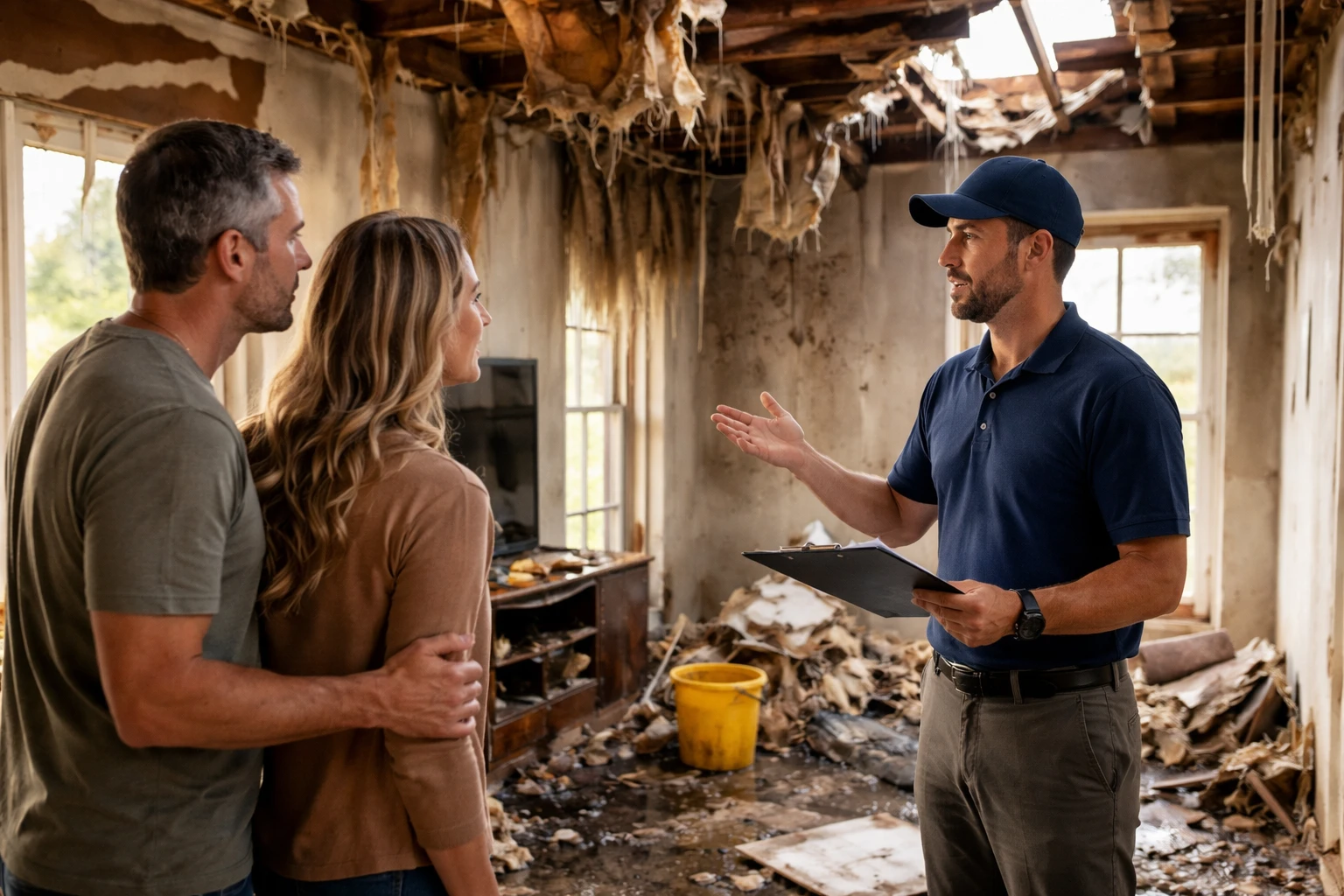
If your home has significant damage—think roof destruction, water intrusion, or fire—this isn’t something you want to navigate casually.
Large claims involve:
- Multiple areas of damage
- Structural concerns
- Detailed repair estimates
- Policy interpretation
One missed detail can cost thousands. Literally.
2. You’re Being Underpaid or Denied
This is where most homeowners start asking, should I use a public adjuster?
Signs you’re being underpaid:
- Settlement feels too low
- Repairs cost more than the offer
- Parts of your claim are denied
Public adjusters specialize in pushing back. They know how to challenge undervalued claims—and they do it every day.
3. You Don’t Have Time (Or Patience)
Let’s be honest. Insurance claims take time.
A lot of it.
- Phone calls
- Emails
- Inspections
- Documentation
If you’re working, managing a family, or just trying to get life back to normal, handling a claim becomes a second job. A public adjuster takes that off your plate.
4. You Own Rental or Commercial Property
Higher stakes. More complexity. More money on the line.
When income-producing property is involved, delays and underpayments don’t just hurt—they compound. This is one of the clearest cases where the answer to should I use a public adjuster is yes.
5. You Want to Maximize Your Payout
Insurance companies are businesses. They aim to control costs.
Public adjusters aim to maximize your claim.
That tension is exactly why they exist.
When You Might NOT Need a Public Adjuster
1. The Claim Is Small and Simple
If the damage is minor and clearly covered, you may be fine handling it yourself.
Examples:
- Small roof patch
- Minor water leak
- Cosmetic damage
2. You’re Confident Handling Insurance
Some homeowners are experienced. They understand policies, documentation, and negotiation.
If that’s you, great. Just be realistic about the time commitment.
3. The Insurance Offer Is Fair
Sometimes, the insurer gets it right.
If:
- The payout matches repair estimates
- Nothing is denied
- The process is smooth
Then hiring a public adjuster may not add much value.
How a Public Adjuster Actually Helps You
This is where things get practical.
A good public adjuster doesn’t just “assist.” They take control of the process in a structured way.
Here’s what they handle:
- Detailed damage inspection
- Photo and documentation gathering
- Policy analysis
- Claim preparation
- Communication with the insurer
- Negotiation and settlement
And perhaps most importantly—they know what to look for.
Hidden damage is real. Miss it, and you pay for it later.
Pros and Cons of Using a Public Adjuster
Pros
- Higher potential settlement
- Less stress and workload
- Professional negotiation
- Better documentation
Cons
- Fee (usually a percentage)
- Not necessary for small claims
- Requires choosing the right professional
How Much Does a Public Adjuster Cost?
Most public adjusters work on a contingency basis.
That means:
- You don’t pay upfront
- They get paid only if you get paid
Typical fees range from 5% to 15% of the claim.
Example Comparison
| Scenario | Without Adjuster | With Adjuster |
| Insurance Offer | $18,000 | — |
| Final Settlement | $18,000 | $28,000 |
| Adjuster Fee (10%) | — | $2,800 |
| Net to Homeowner | $18,000 | $25,200 |
Even after the fee, the difference can be significant.
Rowlett-Specific Considerations
Rowlett homeowners face unique risks.
- Hailstorms
- High winds
- Sudden weather shifts
Roof claims are especially common here. And roof claims are where underpayments happen often.
Timing also matters. After major storms, insurance companies handle a surge of claims. That can lead to rushed assessments and missed details.
Local knowledge helps. A public adjuster familiar with Rowlett understands these patterns and knows what to watch for.
Common Mistakes Homeowners Make Without a Public Adjuster
This is where things quietly go wrong.
Top mistakes:
- Accepting the first offer too quickly
- Missing hidden damage
- Not documenting everything
- Misreading policy coverage
- Waiting too long to act
Each one reduces your payout. Sometimes dramatically.
How to Decide: A Simple Checklist
Still wondering, should I use a public adjuster? Run through this:
- Is the damage significant?
- Is your claim delayed, denied, or underpaid?
- Do you fully understand your policy?
- Do you have time to manage the process?
- Would expert negotiation improve your outcome?
If you answered “yes” to more than two, it’s worth serious consideration.
How to Choose the Right Public Adjuster in Rowlett
Not all adjusters are equal. Choosing the right one matters.
Look for:
- Texas licensing
- Proven experience with similar claims
- Clear fee structure
- Strong reviews
Avoid:
- High-pressure tactics
- Vague contracts
- Unrealistic promises
Take your time. This decision affects your money.
Real-World Scenario: With vs Without a Public Adjuster
Two homeowners. Same storm. Similar damage.
Homeowner A:
- Handles claim alone
- Accepts initial offer
- Gets $16,500
Homeowner B:
- Hires public adjuster
- Claim is re-evaluated
- Gets $27,000
The difference isn’t luck. It’s strategy.
Final Verdict: Should I Use a Public Adjuster?
So, let’s come back to the question one last time.
Should I use a public adjuster?
If your claim is large, complicated, or disputed—the answer is often yes. The value shows up in higher payouts, less stress, and a smoother process.
If your claim is small and straightforward, you may not need one.
But here’s the key insight:
Most homeowners don’t realize their claim is undervalued until it’s too late.
That’s why even a consultation can make a difference.
Call to Action: Make the Smart Move Early
If you’re dealing with property damage in Rowlett, don’t guess your way through it.
Get clarity.
Get a second opinion.
Understand your options before you settle.
Because once you accept an offer, there’s no going back.
And that one decision? It can cost—or save—you thousands.
FAQs
You should use a public adjuster when your claim is large, complex, or disputed, especially if you feel underpaid or overwhelmed.
Yes, you can bring in a public adjuster at any stage of the claims process, even after receiving an initial offer.
No, it’s your legal right to hire representation, and insurers are used to working with public adjusters.
They typically charge 5% to 15% of the final settlement and only get paid if you receive a payout.
In many cases, yes—they can increase your payout and reduce stress, especially for larger claims.
Fire, water damage, storm damage, and roof claims often benefit the most due to their complexity.
Yes, they can review your case, gather additional evidence, and negotiate or reopen the claim if possible.
It varies, but having a public adjuster often speeds things up by keeping the process organized and proactive.
No, your public adjuster handles most communication, saving you time and reducing stress.
If repair estimates exceed your offer or damages seem overlooked, it’s a strong sign you should get a professional review.